
Wandle River

Contaminated Land Remediation
Excavation, treatment and validation of hydrocarbon-impacted soils during Dunton’s Bio-Accelerator™ process.
Invasive Species Management
Identification, removal and disposal of Japanese Knotweed across the development site
Earthworks & Ground Engineering
Cut and fill operations, regrading works and pile mat construction to support future development.
Project Overview
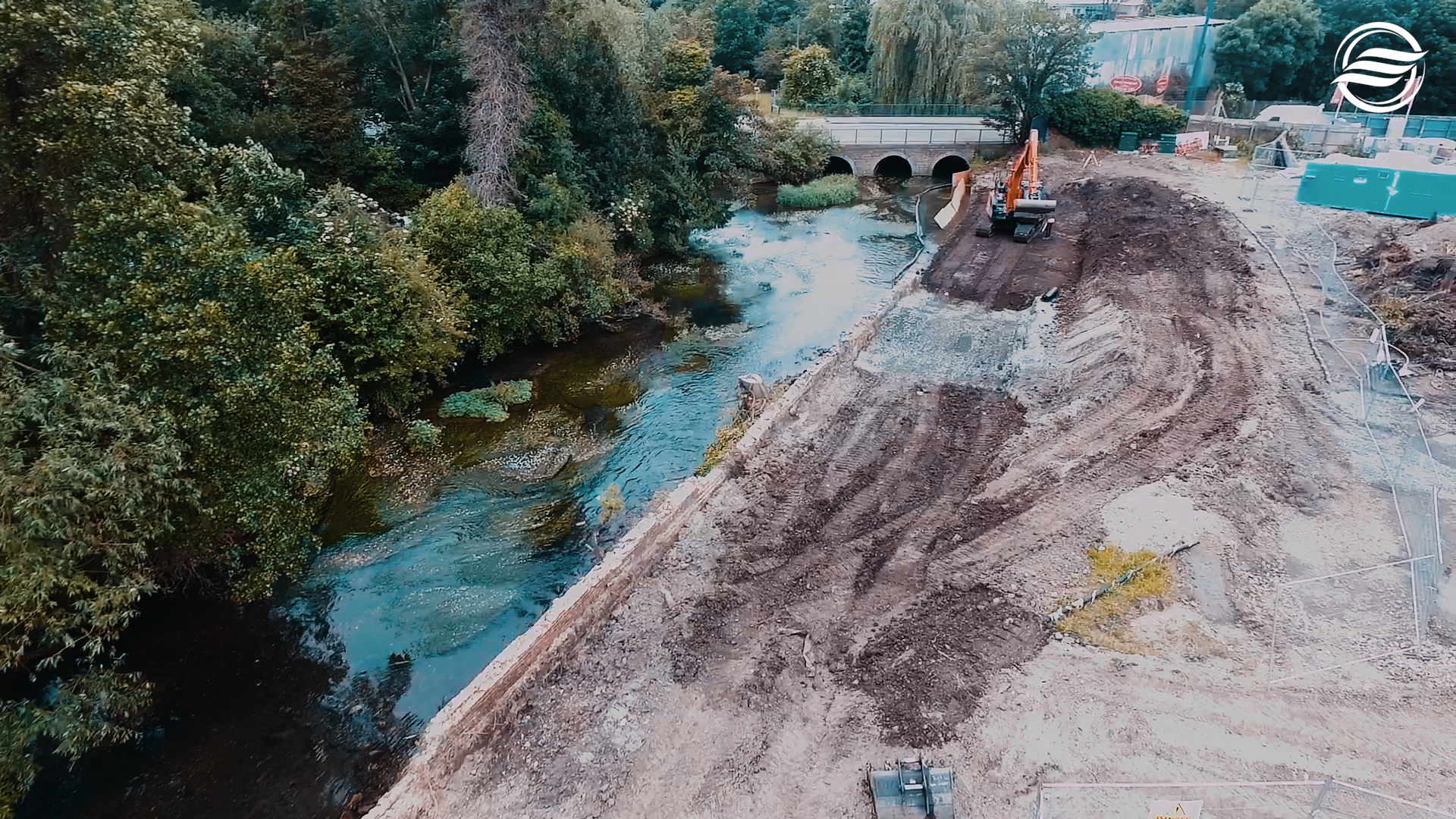
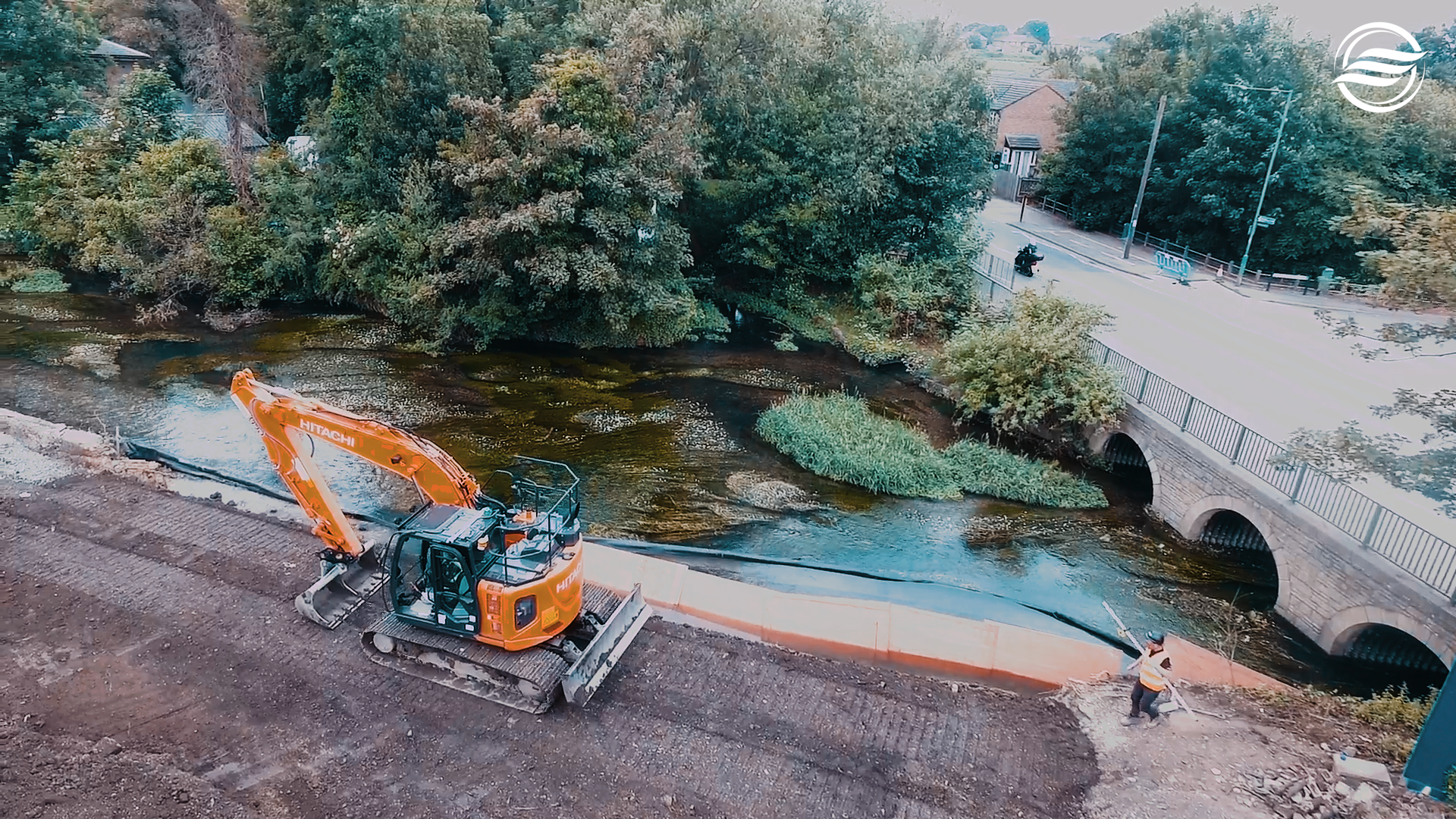
Dunton was appointed by Redrow Homes (London) to undertake remediation and enabling works at the Wandle Riverside Development in Mitcham. The former industrial site required the excavation, treatment and validation of hydrocarbon-impacted soils before construction of a major residential development could proceed.
The project involved remediation of contaminated soils, removal of underground fuel storage tanks, Japanese Knotweed eradication and extensive earthworks to prepare the site for redevelopment. Through the application of Dunton’s Bio-Accelerator remediation process, impacted soils were treated and successfully reused on site, significantly reducing waste disposal and imported material requirements.
Project Cost

£425,000
Size – Treated Soils

990m³
Soils Reused On Site

100%
Completion Time

3 Months
The Problem
The site had previously been used for a number of potentially polluting industrial activities, including tannery, leatherworks and general engineering operations. Historical investigations identified hydocarbon-impacted “hotspots” across the site, while invasive Japanese Knotweed was also present throughout the development area. The site’s location adjacent to the River Wandle required careful environmental management throughout the remediation programme.
Challenges Faced
- Historic industrial land use resulting in hydrocarbon contamination.
- Requirement to prepare development platforms and infrastructure to adoptable standards.
- Site located adjacent to the River Wandle, requiring environmental protection measures.
- Existing underground fuel storage tanks requiring removal and validation.
- Presence of Japanese Knotweed across the site.
- Multiple contamination hotspots identified during previous investigations.
The Solution
Dunton established dedicated soil treatment zones to facilitate screening, processing and removal of asbestos-containing materials. The programme combined remediation, enabling works and environmental management measures to safely prepare the site for redevelopment while protecting surrounding environmental receptors
Techniques Used
- Soil treatment, screening and asbestos removal operations.
- Environmental monitoring and management systems throughout the works.
- Installation of silt curtains and temporary cofferdams to protect adjacent watercourses.
- Lime modification of soils for development platforms.
- Construction of piling mat platforms for future development works.
- Excavation and removal of historic sluice gates under archaeological supervision.
- Site clearance, obstruction removal and cut and fill works.
The Result
Dunton successfully delivered the earthworks and ground stabilisation package, creating safe and stable development platforms for the construction of the new primary school. Through effective programme management and specialist ground improvement techniques, the works were completed within the client’s programme requirements.
Key Results
- 10,000m² site prepared for development.
- Enabled construction of a new 210-pupil primary school.
- Project completed within an 8-week programme.
- Soil shortfalls successfully managed through Hub and Cluster operations.
- Car park and hardstanding areas stabilised to 5% CBR.
- Building footprint stabilised to 15% CBR.
- Ground stabilisation completed across key construction areas.
What Our Partners Say
“Dunton’s expertise in land remediation transformed what seemed like an insurmountable challenge into an opportunity for success. Their innovative methods saved us time and money while delivering exceptional results. We couldn’t be happier with the outcome.”
